
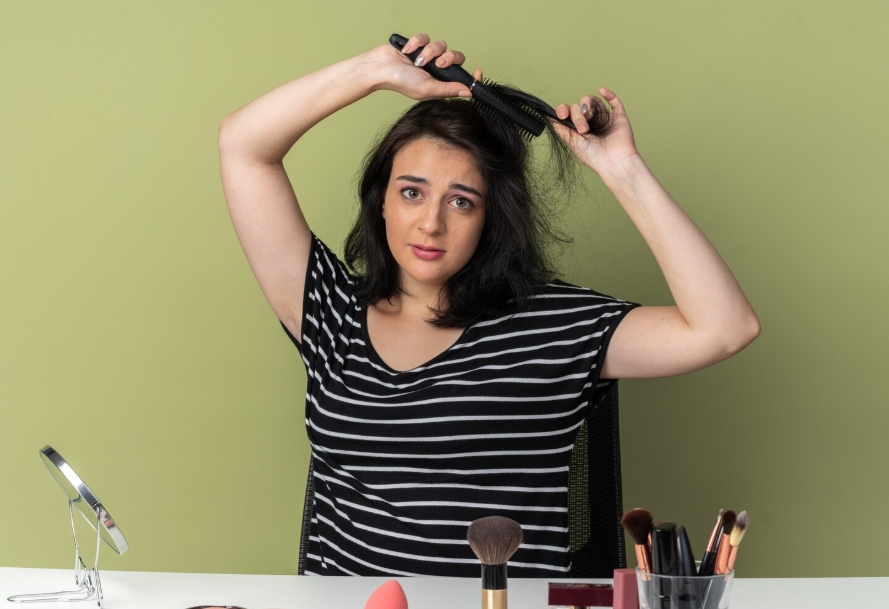
Many people spend months trying oils, serums, shampoos and salon treatments while their hair fall continues. Sometimes the reason lies inside the body rather than on the scalp. Hair follicles are active tissues that need a steady supply of nutrients, and long periods of poor eating, crash dieting or nutrient gaps can show up in the mirror. This does not mean that food is the only cause, since genetics, hormones, stress, illness and medicines also play a role. It does mean that nutrition deserves a place in the conversation. This article explains how food relates to hair health, which nutrients matter and how to build a supportive eating pattern.
How Hair Grows and What It Needs
Hair grows in cycles, with a growth phase, a resting phase and a shedding phase. It is normal to lose some hair every day. Problems arise when more hair than usual enters the shedding phase or when new growth is weak. Because hair is not essential for survival, the body may divert nutrients to more vital organs during periods of stress, illness or poor intake. This is one reason hair changes are sometimes noticed a few months after a crash diet, a major illness or a period of high stress. Supporting your body with balanced nutrition helps create better conditions for healthy growth.
Nutrients Linked With Hair Health
Protein is a building block of hair, so very low protein diets can be a concern. Iron supports oxygen delivery, and low iron is a common issue for many women. Zinc, vitamin D, biotin and other B vitamins also play roles, along with healthy fats. However, you should never start supplements without testing and medical advice, since taking more than you need does not help and can sometimes cause harm. The safest approach is to build a varied diet, get tests done when advised by your doctor and correct deficiencies under supervision.
Food Sources to Include Regularly
These foods can be part of your weekly routine.
- Dals, sprouts, eggs, paneer, curd or fish – These provide protein for hair structure.
- Leafy greens, legumes, dates and jaggery in small amounts – These contribute iron.
- Nuts and seeds such as almonds, pumpkin seeds and sesame – These offer zinc and healthy fats.
- Citrus fruit, guava or amla alongside iron rich meals – Vitamin C helps iron absorption.
- Whole grains and colourful vegetables – These supply B vitamins and antioxidants.
Eating a rainbow of foods across the week is a simple way to cover many nutrients at once.
Habits That Can Hurt Your Hair
Several habits can quietly work against healthy hair. Crash dieting and skipping meals reduce intake of protein and other nutrients. Relying on tea, coffee and packaged snacks in place of proper meals can leave gaps. Very restrictive vegetarian or vegan eating without planning can lead to low iron, vitamin B12 or protein. High stress and poor sleep also affect hair. Aggressive styling, heat and chemical treatments can add damage. Addressing these areas together often gives better results than focusing on a single product.
See a Doctor First
Hair fall can also relate to thyroid issues, hormonal changes, PCOS, stress, illness, childbirth or medication, so it is wise to see a doctor first to rule out medical causes. Blood tests can check for iron, vitamin D, B12 and thyroid function. If a cause is found, treat it as advised. Once that is done, a hair loss nutritionist in Mumbai can review your diet and suggest practical changes that fit your food preferences and budget. Nutrition works best as part of a broader plan rather than a stand alone fix.
Personalised Guidance and Realistic Timelines
The team at Q Slim Fitness Studio offers guidance for hair and skin as part of its range of personalised diet plans, with consultations in Mumbai and online. A plan usually looks at your reports, your usual meals, your activity and your stress levels. Results take time because hair grows slowly, often by only a small amount each month. It may take several months of consistent habits before you notice fewer hairs in the comb or new growth. Patience and consistency are important, and regular follow ups help you stay on track.
Final Thoughts
Healthy hair reflects overall health. Balanced meals with enough protein, iron rich foods, good fats, fruit and vegetables support your body in many ways, not only your scalp. Combine good nutrition with medical evaluation, gentle hair care, enough sleep and stress management. With time, steady care can make a visible difference.